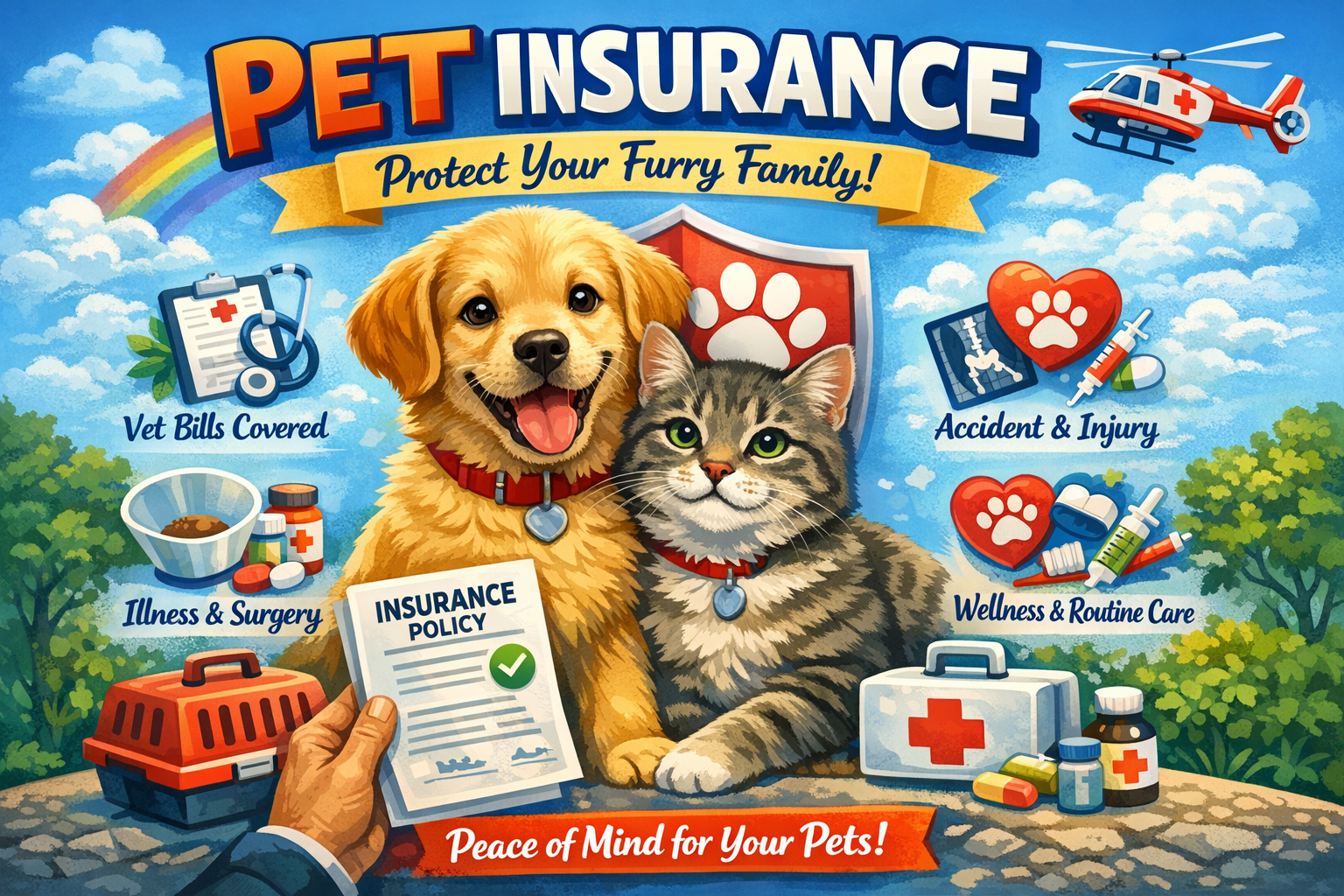
Many pet owners want to protect their pets from unexpected health issues, and Understanding The Different Types Of Pet Insurance is essential. As a result, pet insurance has become a popular option for those seeking peace of mind. If you are new to pet insurance, you might feel overwhelmed by the different types and coverage options. As you explore your choices, you will quickly see that each policy is unique. Understanding the differences can help you make the best decision for your pet's needs. In this article, you will discover the basics of pet insurance and the various plans available. You will also learn how to choose the right policy. By the end, you will feel more confident about protecting your pet's health and your wallet.
Exploring The Basics Of Pet Insurance Coverage Options
Pet insurance works much like health insurance for people. When you buy a pet insurance policy, you agree to pay a monthly or yearly premium. In return, the insurance company helps cover some of your pet's medical expenses. Most policies require you to pay the vet first and then file a claim for reimbursement. As a result, it is important to read the fine print and understand what is and is not covered before agreeing to a policy. By understanding these basics, you can avoid surprises when you need help the most.
There are several types of coverage options available for pets. Accident-only plans cover injuries from accidents such as broken bones or swallowed objects. Comprehensive policies, on the other hand, include accidents, illnesses, and sometimes preventive care. Some providers also offer wellness plans that cover routine care, such as vaccinations and checkups. As you compare options, you may also notice differences in coverage limits, deductibles, and reimbursement percentages. Choosing the right type can help you save money and ensure your pet gets the care they need.
Another consideration is whether your pet's breed, age, or medical history affects your policy. Many insurers impose age limits or exclude coverage for certain hereditary conditions. Some policies may not cover pre-existing conditions. Because of this, it is wise to get pet insurance when your animal is young and healthy. By exploring coverage options, you can find a policy that fits your needs and budget.
Accident-Only Plans: What Pet Owners Need To Know
Accident-only plans are one of the simplest types of pet insurance. These plans cover your pet in the event of an unexpected injury from an accident. For example, if your dog breaks a leg or your cat swallows a foreign object, an accident-only plan would cover the veterinary bills. It is important to remember that accident-only insurance does not cover illnesses or routine health care. Many pet owners choose this option because it usually costs less than comprehensive plans.
One advantage of accident-only coverage is affordability. Since the benefits are limited, the monthly premiums are typically lower. However, you should carefully consider what you want to protect your pet from. If you worry only about sudden injuries, an accident-only plan could be a good fit. However, if you are concerned about diseases or chronic conditions, you might need a broader policy. Always read the terms carefully and ask questions before buying any pet insurance.
Many pet owners appreciate the peace of mind that accident-only plans provide. Even though these policies offer limited coverage, they can make a big difference during emergencies. As you decide which insurance to purchase, consider your pet's lifestyle and your own financial situation. For pets at high risk of injury, such as dogs that enjoy outdoor adventures, accident-only coverage may be sufficient. By knowing exactly what the plan covers, you can avoid disappointment later on.
Comprehensive Policies And Their Added Benefits Explained
Comprehensive pet insurance policies include coverage for both accidents and illnesses. Because these plans offer broader protection, they are often more expensive than accident-only options. However, you get the benefit of help with vet bills if your pet becomes sick or injured. Most comprehensive policies cover common illnesses, emergency care, surgeries, and sometimes even treatments for chronic conditions. By choosing a comprehensive policy, you can feel more secure about your pet's overall health.
Another advantage of comprehensive policies is the ability to add wellness coverage. Some insurers allow you to bundle routine care, such as vaccinations, dental cleaning, and flea prevention, with your main policy. As a result, you can budget for both expected and unexpected veterinary expenses. For pet owners seeking comprehensive coverage, these plans can be very appealing. When you pay a little more each month, you reduce the risk of facing large bills later.
Comprehensive coverage is also helpful for pets with higher health risks. Older animals, certain breeds, or pets with hereditary issues can benefit from the added protection. If your pet develops a long-term illness, your insurance can help cover ongoing treatments and medications. By understanding the additional benefits, you can decide whether the higher premium is worth it. Always compare plans to determine which offers the best value for your pet.
Understanding The Different Types Of Pet Insurance And Choosing The Right One For Your Furry Friend
Selecting the best pet insurance requires careful thought and research. As you begin your search, list your pet's needs and consider your budget. If your pet is young and healthy, you might prefer an accident-only plan. For pets with higher health risks or active lifestyles, a comprehensive policy may be more appropriate. By comparing several quotes, you can find the most cost-effective coverage for your situation.
Many insurance companies offer online tools to help you compare plans. Use these resources to review what each plan covers, the deductible amount, and the reimbursement rate. Some policies also offer discounts for multiple pets or for enrolling your pet at a young age. When you read customer reviews, you get a better sense of how claims are handled. Ask your veterinarian for advice as well, since they often know which companies are reliable.
When choosing your final policy, read the terms very carefully. Make sure you understand what is covered and what is excluded. Always ask about waiting periods, coverage limits, and any breed-specific restrictions. Once you have all the information, you can make a confident decision. With the right pet insurance, you will have support when you need it most. Your pet will appreciate the extra care and protection.
Conclusion On Understanding The Different Types Of Pet Insurance
Pet insurance can provide peace of mind and help protect your pet from unexpected veterinary expenses. By exploring the available coverage options, you can choose a plan that meets your needs and fits your budget. Accident-only plans provide affordable protection for sudden injuries, while comprehensive policies offer broader coverage, including illness and routine care. As a pet owner, you should always read the fine print and ask questions before deciding on a policy. When you compare several plans side by side, you can see which one offers the best value for your specific situation. Using available online tools and seeking advice from your veterinarian can help you get on the right track.